Why Timing Matters When Pouring Concrete in Norman
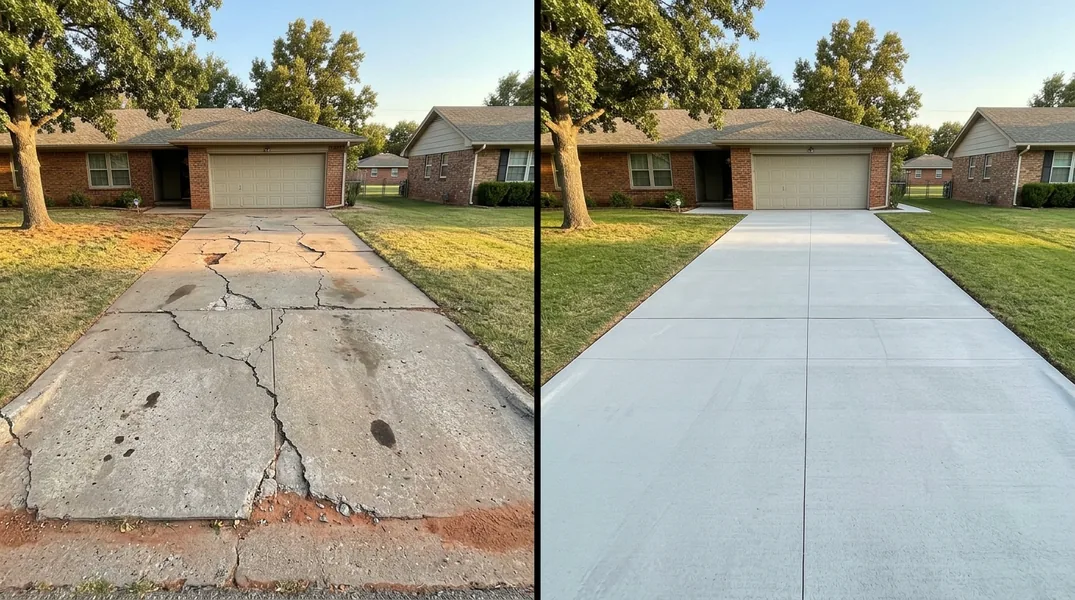
If you're planning a Concrete Driveways project in Norman, you might think any time of year works fine. The truth is far more nuanced. The timing of your concrete pour directly affects how well your finished product cures, how long it lasts, and whether you'll face costly problems down the road. Concrete is a living material during those critical first days and weeks after pouring, and Oklahoma's climate presents unique challenges that demand careful planning.
Temperature, humidity, and moisture levels all play crucial roles in concrete curing. Pour at the wrong time, and you risk surface cracking, weak structural integrity, and premature deterioration. Pour at the right time, and your concrete investment will serve you reliably for decades. Understanding Norman's seasonal weather patterns is the first step toward making an informed decision about when to schedule your project with a qualified concrete contractor.
Spring and Fall: The Ideal Seasons for Concrete Pouring
Spring and fall represent the sweet spot for concrete work in Oklahoma. During these seasons, temperatures typically hover in the 50s to 70s Fahrenheit, which is precisely where concrete curing happens most effectively. In spring, usually from late March through May, you'll find mild temperatures, moderate humidity, and predictable weather patterns. Fall, spanning September through early November, offers similarly favorable conditions. These moderate temperature ranges allow concrete to cure at a steady, controlled pace without the stress of extreme heat or cold.
The reason these seasons work so well comes down to concrete curing science. Concrete needs warmth to hydrate properly, but too much heat causes it to cure too quickly, trapping moisture inside and creating surface cracks. Conversely, cold temperatures slow hydration to a crawl, weakening the final product. Spring and fall provide the Goldilocks conditions: warm enough for proper chemical reactions, cool enough to prevent rapid moisture loss. If you're considering Concrete Patios or other decorative projects, spring and fall also give you the best window for finishing work and achieving the aesthetic results you want.
Another advantage of spring and fall is the lower likelihood of extreme weather events. While Oklahoma weather can be unpredictable year-round, these transitional seasons generally avoid the severe thunderstorms, hail, and temperature swings that plague summer and winter. This stability means your concrete has a better chance of curing undisturbed, without the risk of sudden rain washing out fresh concrete or freezing temperatures damaging a partially cured slab.
Summer Concrete Pouring: Challenges and Precautions
Summer in Oklahoma brings intense heat, and while concrete needs warmth to cure, excessive heat creates serious problems. Temperatures regularly exceed 90 degrees Fahrenheit from June through August, sometimes climbing into the triple digits. This rapid heat accelerates the concrete's initial set time, which sounds beneficial but actually causes issues. When concrete cures too quickly, the surface dries faster than the interior, creating internal stress and leading to cracking, crazing (fine surface cracks), and reduced long-term strength.
If you must schedule a concrete project during summer, you'll need extra precautions and likely higher pricing from your contractor. Early morning pours, before the peak heat arrives, are essential. Your concrete contractor will need to use specialized techniques such as cooling the concrete mix, applying curing compounds to slow surface evaporation, and keeping the concrete moist for extended periods. These measures add time and expense to the project. Additionally, summer heat increases the risk of thermal stress and differential curing, which can compromise the structural integrity of Concrete Driveways and other load-bearing surfaces.
The high evaporation rates in summer also mean you'll need constant monitoring. Fresh concrete can lose moisture so quickly that it never develops proper strength. Professional contractors understand these challenges and adjust their methods accordingly, but the bottom line is that summer pours demand more expertise, more time, and more resources than spring or fall projects.
Winter Concrete Pouring: Freeze and Thaw Risks
Winter presents the opposite problem. From December through February, Norman experiences temperatures that can dip below freezing, sometimes for extended periods. While Oklahoma winters are milder than northern states, freezing temperatures still pose a serious threat to freshly poured concrete. If concrete freezes before it reaches sufficient strength (typically 28 days), the water inside the concrete expands, creating internal damage that weakens the slab permanently. This freeze and thaw cycle is one of the most damaging forces concrete faces.
The concrete curing heat and freeze relationship is critical to understand. Concrete needs sustained warmth to develop strength during the first week. If temperatures drop below 40 degrees Fahrenheit during this critical period, hydration slows dramatically, and if freezing occurs, the concrete may never develop its intended strength. Even if your concrete doesn't freeze immediately, winter's inconsistent temperatures create stress. A warm day followed by a hard freeze can cause surface spalling, where chunks of concrete break away from the top layer. These winter-damaged slabs often require Concrete Repair & Resurfacing within a few years, turning a cost-saving measure into an expensive mistake.
Winter concrete work is technically possible with protective measures like heated enclosures, insulation blankets, and heated concrete mix, but these add substantial cost and complexity. Most homeowners and contractors avoid winter pours unless absolutely necessary. If you're facing a winter deadline, contact a professional for a free estimate to understand the real costs involved.
How Weather Patterns Affect Your Concrete Curing Timeline
Beyond just temperature, Oklahoma's overall weather patterns influence how long concrete takes to cure properly. Humidity levels, rainfall, and wind all affect evaporation rates and hydration speed. During spring and fall, moderate humidity creates ideal conditions. Too-dry conditions (common in late spring) cause rapid surface evaporation, while too-wet conditions (common in fall) slow drying but can trap excess moisture inside the concrete. A skilled concrete contractor understands these nuances and adjusts curing methods accordingly.
Rainfall is another critical factor. While concrete needs some moisture to hydrate properly, heavy rain during the first few days can wash out the surface, weaken the top layer, and create surface defects. Spring and fall typically bring moderate rainfall that doesn't interfere with curing, whereas summer thunderstorms can be violent and unpredictable, and winter rain can combine with cold temperatures to create freeze-thaw cycles. This is why planning your pour around the weather forecast is essential. A professional contractor will monitor the forecast and coordinate the timing to avoid major rain events during the critical curing window.
Wind is often overlooked but matters significantly. Dry, windy conditions accelerate surface evaporation, increasing cracking risk. This is particularly problematic in Oklahoma's spring season, when warm winds can dry concrete too quickly. Your contractor may use wind breaks, misting systems, or curing compounds to manage this. Understanding how Norman's seasonal weather patterns affect concrete curing helps explain why spring and fall consistently outperform other seasons for quality results.
Planning Your Concrete Project: When to Call Norman Concrete
Now that you understand the seasonal factors affecting concrete work, the next step is planning your project timeline. If you're considering Stamped & Decorative Concrete or any other concrete service, aim to schedule your pour during spring or fall. These seasons provide the best conditions for quality work and long-term durability. Contact Norman Concrete at (405) 857-0987 to discuss your project timeline and get professional guidance on the optimal season for your specific needs.
When you reach out, be prepared to discuss your project type, location, and any time constraints you're facing. The team at Norman Concrete can assess your situation, explain how seasonal factors might affect your project, and recommend the best timing. They'll also provide honest guidance if you're considering an off-season pour, explaining any additional precautions, costs, or risks involved. Getting expert input early in your planning process prevents costly mistakes and ensures your concrete investment delivers the durability and appearance you expect.
Whether you need a new driveway, patio, or decorative concrete surface, timing is everything. Reach out to Norman Concrete today for a free estimate and let the professionals help you plan the perfect concrete project for the perfect season.
Looking for a professional concrete contractor in Norman? Norman Concrete responds fast for all your concrete needs.
Get a Free QuoteOur services: Concrete Driveways · Concrete Patios · Stamped & Decorative Concrete